
A New Category Takes Shape
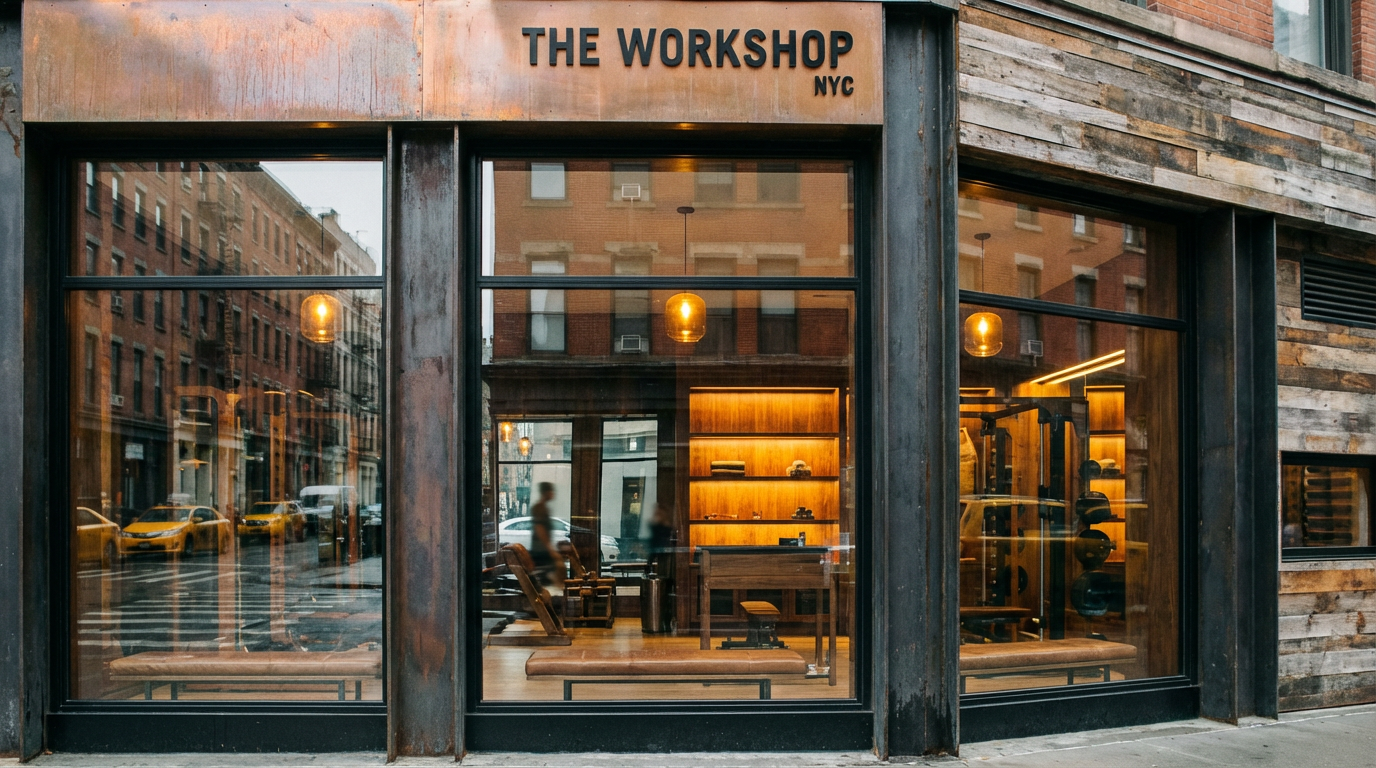
Walk through Chelsea, the Upper East Side, or Williamsburg and you'll notice the change: spaces that once housed dry cleaners and banks now feature windows full of stationary bikes, yoga mats, and recovery equipment. Wellness has become one of commercial real estate's most active categories.
The numbers tell the story. According to ICSC, health and wellness tenants accounted for 18% of retail lease signings in Manhattan in 2024, up from just 6% in 2018. Landlords who once hesitated at fitness tenants now actively recruit them.
Why Landlords Changed Their Minds
The old objections were practical: fitness uses require reinforced floors, specialized HVAC, and generate noise complaints. They draw traffic at off-peak hours. They don't generate the foot traffic of traditional retail.
What changed:
Where the Deals Are Happening
Flatiron/NoMad remains the epicenter, with multiple concepts clustered between 14th and 30th Streets. Competition has pushed rents higher ($125-175/SF) but the density of affluent fitness consumers supports premium pricing.
Upper East Side has emerged as the strongest growth market. Demographics skew older and wealthier; the customer base is loyal and less price-sensitive. Rents in the $100-140/SF range offer value compared to Downtown.
Long Island City attracts operators seeking larger footprints at lower rents. The new residential towers have created demand for convenient fitness options; rents in the $50-70/SF range enable different economics.
Cobble Hill/Boerum Hill fills a Brooklyn gap between saturated Williamsburg and underserved South Brooklyn. Rents around $80-110/SF attract concepts priced out of Manhattan.
What Works (and What Doesn't)
Successful formats:
Struggling formats:
Lease Considerations for Fitness Operators
Floor load capacity is non-negotiable. Standard retail construction supports 100-125 pounds per square foot; heavy equipment requires 150-200. Verify structural capacity before signing.
Sound transmission can kill deals. Landlords require sound studies and acoustical mitigation. Budget $15-25/SF for proper sound isolation.
HVAC requirements exceed standard retail. Fitness spaces need 15-20 CFM per person compared to 5-8 for typical retail. Dedicated systems are often necessary.
Hours of operation require explicit negotiation. Early morning access (5-6 AM) and extended evening hours (until 9-10 PM) must be specified in the lease.
The Investment Required
Typical buildout costs for boutique fitness:
For a 3,000 SF studio, expect $525,000-870,000 before working capital.
Looking Ahead
The wellness category continues to mature. The operators succeeding are those with differentiated concepts, strong unit economics, and experienced real estate teams. Landlords have become sophisticated in evaluating fitness tenants—proof of concept from other locations has become nearly mandatory for premium spaces.