For decades, Chelsea Piers has been a New York City institution—a sprawling sports cathedral on the Hudson River, synonymous with everything from ice hockey to indoor rock climbing. But if you’re only looking at the waterfront, you’re missing the plot. The brand's recent, aggressive expansion across Manhattan and into the outer boroughs signals a massive shift in the city's commercial real estate landscape. This isn't just about one company's growth; it's a masterclass in urban retail strategy for any founder in the fitness, wellness, or hospitality space.
The moves Chelsea Piers is making—embedding in luxury residential towers, anchoring creative office hubs, and building symbiotic food and beverage partnerships—provide a precise blueprint for success. For operators wondering where the opportunities lie in a city that’s constantly reinventing itself, the answer is clear: follow the wellness wave.
From Waterfront Anchor to Neighborhood Hub
The original Chelsea Piers complex is a destination. You go to the piers. The new strategy is about meeting New Yorkers where they are. This shift from a single destination to a network of neighborhood-centric hubs is a direct response to post-pandemic lifestyle changes, where the lines between home, work, and wellness have irrevocably blurred.
Take the brand’s recent lease for nearly 49,000 square feet at 200 Varick Street in Hudson Square. This isn’t a random pin on a map. Hudson Square has transformed into a bona fide live-work-play ecosystem, teeming with creative and tech giants like Google and Disney alongside a surge of new residential development. Placing a massive fitness club here isn't just about serving office workers; it’s about becoming the essential “third space” for the entire neighborhood, capturing residents and professionals alike.
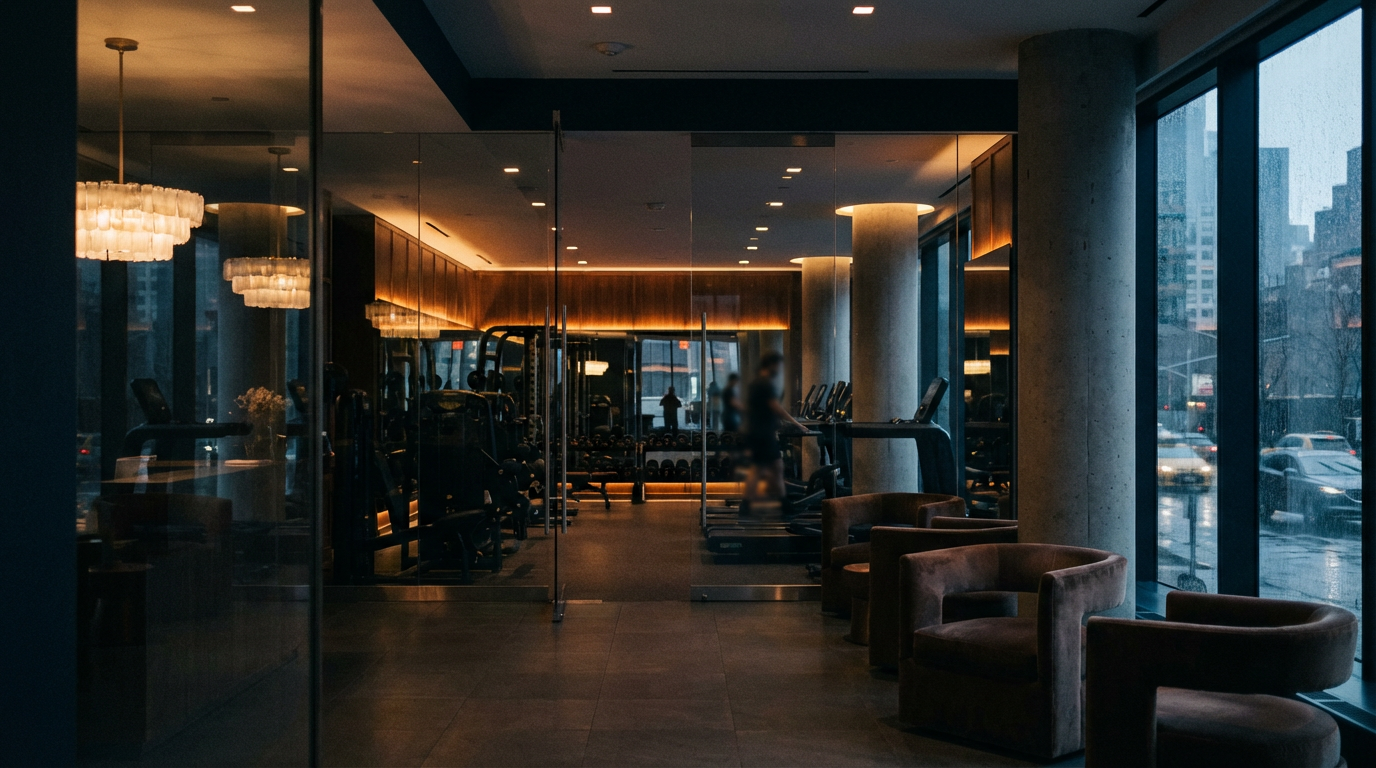
Similarly, the new club set for 135 East 57th Street tells another chapter of this story. By taking a significant footprint in TF Cornerstone’s high-profile office-to-residential conversion, Chelsea Piers Fitness is locking itself into the daily life of a built-in affluent resident base. It's a strategy being replicated from Midtown to Queens, demonstrating a clear focus on integrating premium fitness directly into high-density living environments.
For hospitality operators, the takeaway is potent. The value proposition is no longer just about your four walls; it’s about your proximity and integration into a complete lifestyle. The most successful concepts will be those that become indispensable neighborhood amenities, not just occasional destinations.
The New Anchor Tenant: Fitness First
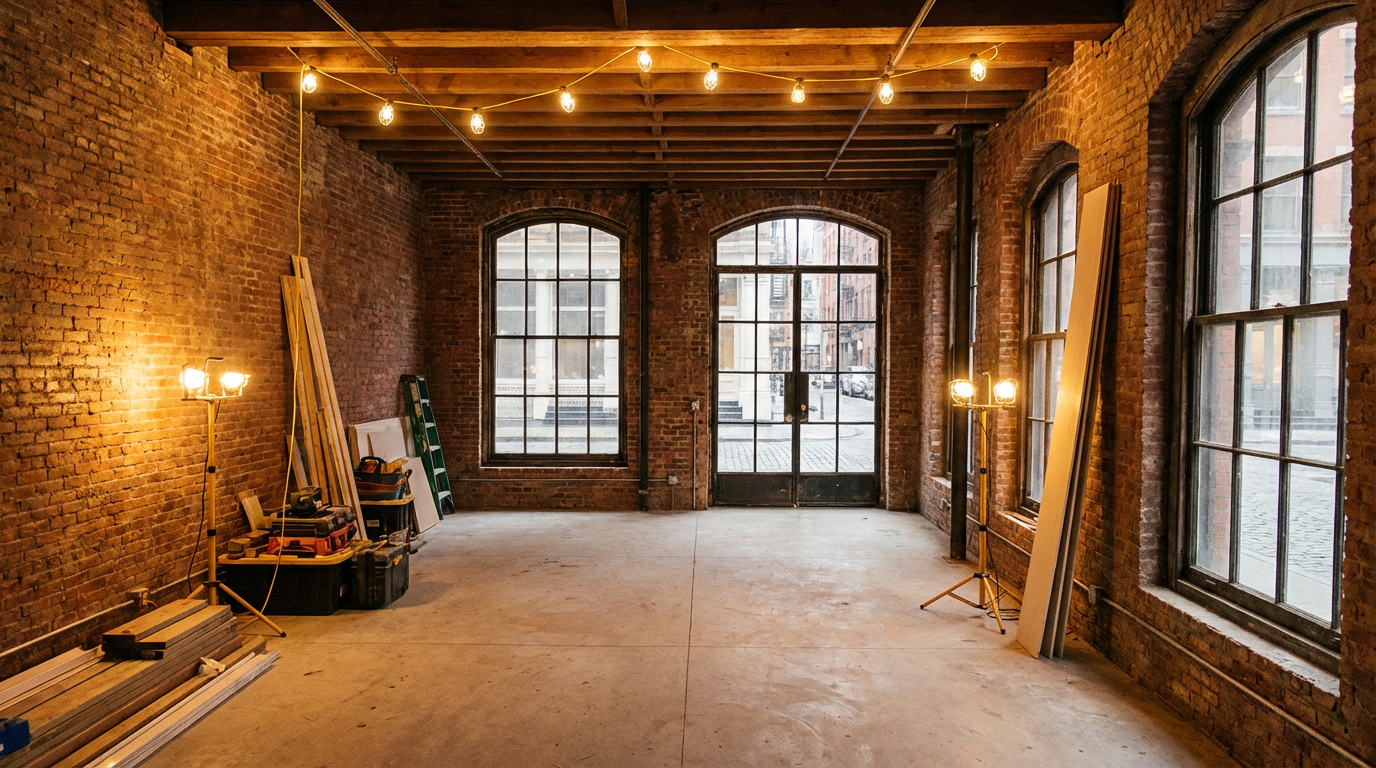
For years, the conventional wisdom for filling a large ground-floor retail space was to chase a national bank or a big-box store. That playbook is officially obsolete. Today, premium, large-format fitness and wellness centers are the new anchor tenants, and developers are taking notice.
The deal at 135 East 57th Street is a prime example. In an office-to-residential conversion, the quality of the amenities is paramount to attracting tenants willing to pay a premium. A brand like Chelsea Piers Fitness isn’t just an amenity; it's a powerful marketing tool that drives residential lease-ups and elevates the building's entire profile. It creates a halo effect, broadcasting a message of health, luxury, and community.
This trend aligns perfectly with the “flight to quality” we’re seeing across the board. Residents want more than just a roof over their heads, and office workers, when they do commute, expect an environment that offers more than a desk. Landlords are realizing that investing in a high-end wellness operator can generate a far greater return—through higher rents, faster lease-ups, and increased foot traffic for other retail tenants—than a traditional tenant might offer.
This presents a powerful opportunity for fitness founders. Don't just pitch yourself as a tenant; position your brand as a strategic partner to developers. Show them how your concept can anchor their project, create a vibrant community, and ultimately, improve their bottom line. For landlords sitting on vacant big-box spaces, thinking beyond traditional retail and toward experiential wellness is no longer an alternative—it’s a necessity for survival and growth.
The Power of the F&B Partnership
Perhaps the most actionable lesson from the Chelsea Piers ecosystem is its masterful integration of food and beverage. The modern consumer doesn't see a workout as separate from their nutrition or social life; it's all part of a holistic pursuit of well-being. Smart operators cater to this synergy.
The partnership with Bluestone Lane is case-in-point. The Australian-inspired café brand opened not one, but three locations within the Chelsea Piers universe: a full café on the north side of the main complex, and coffee shops inside both the Manhattan and Brooklyn fitness clubs. The logic is brilliant and simple. The gym provides a captive, daily audience of health-conscious consumers. The café enhances the member experience, increases dwell time, and provides an additional revenue stream.
This goes far beyond a simple juice bar. It's about brand alignment. A premium fitness club pairs with a premium F&B concept. This thinking extends to the broader complex at Pier 57, where Market 57, a food hall curated by the James Beard Foundation, features vendors like Essex Pearl. It transforms the property from a sports complex into a culinary and cultural destination.
For restaurateurs and café owners, the message is clear: your next A+ location might not be a traditional storefront. It could be a 500-square-foot space inside a bustling fitness studio, a corporate office lobby, or a new residential building. Proactively seek out these unconventional partnerships. For fitness operators, take a hard look at your F&B offering. Is it an afterthought, or is it a curated experience that strengthens your brand and keeps your members coming back?
Riding the Wave of Experiential Wellness
This city-wide focus on integrated, high-end wellness isn't happening in a vacuum. It’s a reflection of a larger consumer demand that is reshaping the luxury market. Look at the hotel sector. The newly reopened Waldorf Astoria and the anticipated Faena New York aren’t just selling rooms; they are selling impeccably curated lifestyle experiences. Both properties have invested millions into state-of-the-art fitness centers and exclusive wellness sanctuaries, like the Waldorf's Guerlain Spa.
These ultra-luxury flagships are a barometer for consumer expectations. The desire for seamless, high-quality wellness experiences is trickling down to every corner of the market. A boutique yoga studio in the West Village or a spin studio in Williamsburg is now competing on experience, not just class quality. Members expect beautiful design, a strong sense of community, and amenities that make their lives easier and better.
Your Next Move in NYC's Evolving Market
Chelsea Piers' expansion is a powerful indicator of where the smart money is going. It’s a bet on neighborhood-centric wellness, strategic partnerships, and the enduring power of experience over simple consumption. Ignoring these signals is a risk no hospitality or retail operator in New York can afford to take.
So, what's your next move?
* For fitness and wellness founders: Look beyond traditional retail corridors. Analyze new residential projects and office-to-resi conversions in neighborhoods like Hudson Square, Long Island City, or downtown Brooklyn. Your best opportunity may be to become the anchor that makes a new development feel like a community.
* For F&B entrepreneurs: Start thinking inside the box—literally. Map out the high-traffic fitness and wellness centers in your target neighborhoods and approach them with a partnership proposal for an in-house café or grab-and-go concept. The built-in foot traffic is a powerful advantage.
* For landlords and developers: That large, hard-to-lease ground floor space is not a liability; it's an opportunity. A dynamic wellness operator can revitalize your asset, drive traffic to adjacent retail, and become the amenity that secures your residential or commercial tenants for the long term.
The real estate and retail landscape of New York is in a constant state of flux. But by decoding the strategies of market leaders like Chelsea Piers, savvy operators can not only navigate the changes but also find tremendous opportunity for growth.